
+91 91089 07666 [email protected]
Innovations

Future Mobility

Future Mobility powered by advanced technologies and a strong sustainability orientation will dramatically change the way we go about in our world. Electric vehicles, automation in driving, and intelligent transportation are the elements whereby the day-to-day commute of today's person will be revolutionized. Electric and hydrogen-powered vehicles wait at the gates to slash our carbon footprint, while autonomous technology strives to improve safety and the efficiency of our roads. Not only that, but smart infrastructure will also combine with real-time data analytics for more efficient traffic flow and fewer congestions. This shift to more sustainable and more connected mobility solutions is improving environmental concerns and enhancing quality of life by facilitating easy, convenient access to travel. In embracing these advancements, we are opening up a future where mobility becomes seamless, eco-friendly, and tailored to the needs of a dynamic global society.

Objectives:
  • To understand the historical evolution of transportation technologies.
  • To identify and analyze current trends in mobility.
  • To grasp the fundamental concepts and definitions related to future mobility.
  • To explore the implications of future mobility on various aspects of life and industry.

The future of mobility is dynamic, multi-dimensional, and powered by technology innovation, sustainability, and new social needs.The combination of new technologies with the elaboration of comprehensive policies can give way to a much safer, more efficient system of transport that is better attuned to the challenges of the 21st century. Future mobility encompasses a range of innovations and concepts aimed at transforming how people and goods move around.

But Rapsol are not just limited to provideing with web development expertise. dive deeper into the digital ocean through custom software development, ensuring that it seamlessly integrates with and functionality that powers your business operations. And in the ever-evolving digital marketplace, our digital marketing and branding strategies are your compass, guiding you to greater visibility and connection with your audience.

Scope of Future Mobility

The scope of future mobility is expansive, covering several key areas of development and integration. Technological innovations play a crucial role, with electric and hydrogen vehicles offering cleaner alternatives to traditional fossil fuel-powered transportation. Autonomous vehicles, equipped with advanced sensors and artificial intelligence, promise to enhance road safety and reduce traffic congestion by eliminating human error. Connected vehicles, which communicate with each other and with infrastructure, facilitate smarter traffic management and improve overall transportation efficiency.

In addition to technological advancements, smart infrastructure and urban planning are integral to future mobility. Intelligent Transportation Systems (ITS) use real-time data to optimize traffic flow and enhance the functionality of transportation networks. The concept of smart cities integrates these technologies into urban environments, leveraging data and connectivity to improve city services and infrastructure.

Smart Infrastructure

Implementing connected infrastructure, to enhance traffic flow and safety. Connectivity with traffic signals and intelligent transport systems, smart infrastructures will dynamically manage the flow of traffic and bring in efficiency.

Safety Technologies

Rapsol is at the forefront of this trend! It helps vehicle manufacturers to significantly improve safety on the roads with these high-tech advancements leading the charge, the future of road safety is brighter than ever.

V2X communication

Rapsol is advancing Vehicle-to-Everything (V2X) communication to enhance road safety and traffic efficiency. By enabling real-time data exchange between vehicles to create a smarter & safer transportation network.
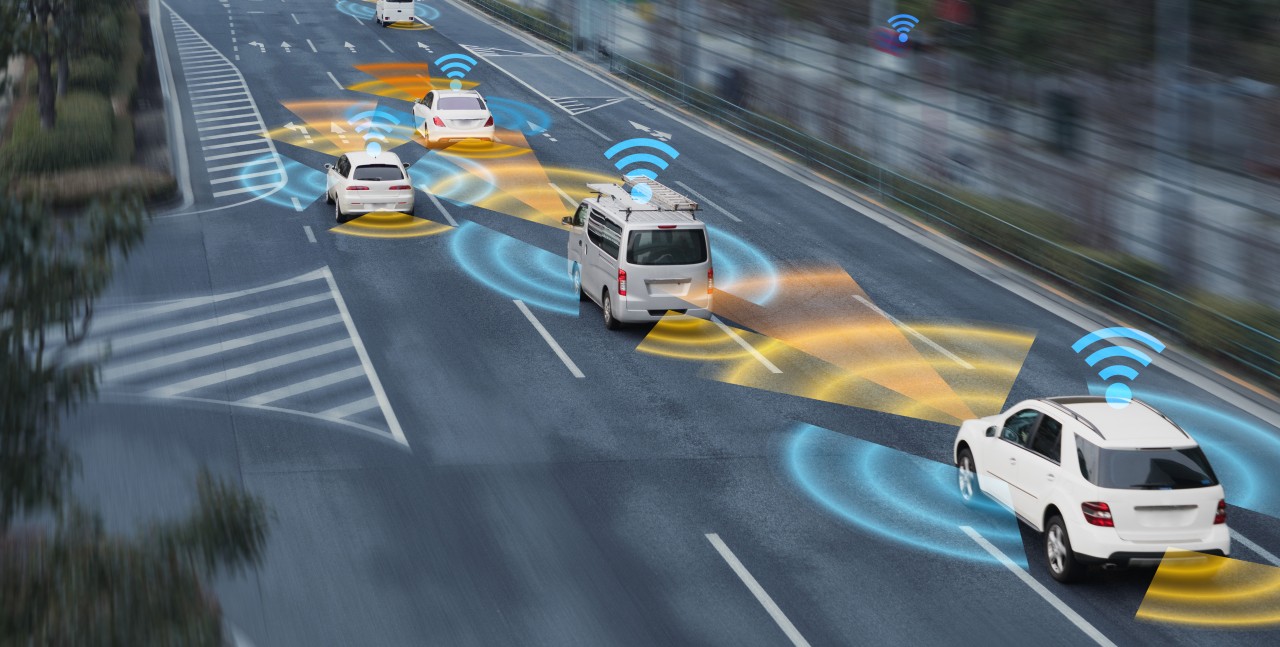
Autonomous vehicles (AVs) are another key component, utilizing sophisticated sensors, machine learning, and artificial intelligence to navigate and make driving decisions independently. Other key components of this infrastructure include autonomous vehicles, which use advanced sensors, machine learning, and artificial intelligence to travel without a human operator and decide various driving aspects. This technology should be capable of enhancing safety on the roads by reducing errors by human drivers, hence decreasing accidents that result in fatalities and congestion. Connected vehicles also open up a whole new world of opportunities for decreasing accidents, improving traffic flow, and increasing the efficiency of route planning by communicating with each other and with infrastructure.

These technologies can only be absorbed into practical life if smart infrastructure and urban planning exist. The ITS currently utilize real-time data to manage the flow of traffic, signal timings, and alleviate congestion. Where cities incorporate smart technologies, they can bring efficiency to transportation networks, thereby bettering the quality of urban living.

Future Mobility-as-a-Service is a novel way of gaining easy access to transportation in ways that put many modes of travel together into a single, user-friendly platform. Under this model, users can plan, book, and pay for several services concerning transportation in one interface. Inclusion of such facilities makes life easier and decreases car dependency. MaaS may also facilitate sustainable choices of transportation by combining facilities like bike-sharing, ride-hailing, or even public transit.

ADVANCED SENSOR TECHNOLOGIES

Rapsol is at the forefront of developing advanced sensor technologies that are set to transform the future of transportation. By focusing on cutting-edge sensor systems, Rapsol aims to enhance vehicle safety, navigation, and overall performance. These sensors, including radar, lidar, and advanced cameras, play a crucial role in enabling vehicles to perceive and interpret their environment with greater accuracy and reliability. We innovative work involves integrating these sensors into a cohesive system that provides real-time data on road conditions, obstacles, and other vehicles.

By advancing these technologies, Rapsol is not only contributing to the evolution of smart vehicles but also setting new standards for the industry. Our commitment to developing robust and reliable sensor systems is key to unlocking the full potential of future mobility and ensuring a safer, more connected transportation experience for everyone.

By advancing these technologies, Rapsol is not only contributing to the evolution of smart vehicles but also setting new standards for the industry. Our commitment to developing robust and reliable sensor systems is key to unlocking the full potential of future mobility and ensuring a safer, more connected transportation experience for everyone.

Sustainable solutions in transportation focus on investing in alternative fuels like hydrogen and enhancing energy efficiency across systems. By developing and adopting these innovative fuels, we aim to reduce greenhouse gas emissions and reliance on fossil fuels. Concurrently, improving energy efficiency in vehicles and infrastructure helps to minimize energy consumption and environmental impact, driving us toward a more sustainable and eco-friendly future in transportation.

The agriculture industry is faced with the task of feeding the world's growing population. At the same time, it is undergoing a far-reaching transformation towards more digitalization and sustainability. It is also the task of technology companies like Continental to support farmers in this transformation and minimize their day-to-day challenges, so that they can fully focus on the transformation of their industry and the provision of their products.

Request A Quote

Need A Free Quote? Please Feel Free to Contact Us

Reply within 24 hours

"We're dedicated to assisting you, whether it's project planning, event coordination, or finding inspiration. Our team is ready to provide a personalized quote at no cost. Contact us today and let's begin turning your vision into reality.

Call to ask any question

+91 91089 07666

Frequently Asked Questions

Future mobility refers to the innovative and sustainable transportation solutions that will shape how people and goods move in the future, incorporating technologies like autonomous vehicles, electric transportation, and shared mobility services.

Autonomous vehicles will transform mobility by reducing human error, improving road safety, increasing efficiency, and providing greater access to transportation for those unable to drive.

Electric vehicles will play a crucial role in reducing carbon emissions, promoting sustainability, and reducing dependence on fossil fuels, contributing to cleaner, greener transportation systems.

Smart cities will integrate advanced technologies, such as IoT, AI, and data analytics, to optimize transportation networks, reduce congestion, and provide seamless, efficient mobility solutions for residents.

Challenges include infrastructure development, regulatory frameworks, cybersecurity concerns, public acceptance, and the transition from traditional transportation systems to new technologies.


YOU HAVE A IDEA !

WE HAVE A TEAM !

TOGETHER , LET'S BUILD YOUR BUSINESS ONLINE Talk to Us

Get In Touch

"Srinidhi", No.138/c, 2nd Floor, 2nd Main Road, 3rd Block, Thyagarajanagar, Bengaluru, Karnataka 560028

+91 91089 07666

Popular Links

Registered Under :