
+91 91089 07666 [email protected]
Innovations

Digital Connectivity

Digital connectivity may be defined as the ability to connect, communicate, and interoperate in a digital environment enabled by digital networks and technologies that have changed the very face of the modern world. This involves various methods and systems which allow devices, systems, and people to exchange information and interact in a digital environment. Basically, digital connectivity is concerned with ways of sending, receiving, and processing data on various kinds of networking, in particular local area networks, wide area networks, and distinctly the internet. This is realized through a host of technologies in both wired and wireless communications, like fiber optics, Wi-Fi, and cellular communications.

Objectives:
  • Understand the fundamentals of digital networks and connectivity.
  • Learn about various networking technologies and protocols.
  • Explore the impact of digital connectivity on individuals and society.
  • Develop practical skills for analyzing and troubleshooting network issues.

Digital connectivity can be defined as the ability to establish a link and then communicate through digital networks and technologies, fundamentally reshaping today's world. It consists of various methods and systems which enable devices, systems, and people to communicate and share information within the confines of a digital environment. In essence, digital connectivity is the ability to move, receive, and process data through various types of networks, from the local area network and wide area network to the internet. This connectivity is allowed through a range of technologies that operate in wired and wireless communications, from fiber optics, Wi-Fi, and cellular networks.

Rapsol leverages the expanding potential of digitalization and holistic connectivity to offer intelligent solutions for information management, new mobility, enhanced road safety, and more fuel-efficient drive systems. Our goal is to help vehicle manufacturers, industries, and new market entrants make mobility as enjoyable as possible. We are committed to advancing technologies that enhance driving comfort and convenience, while also focusing on vehicle safety and sustainability.

The Future of Digital Connectivity

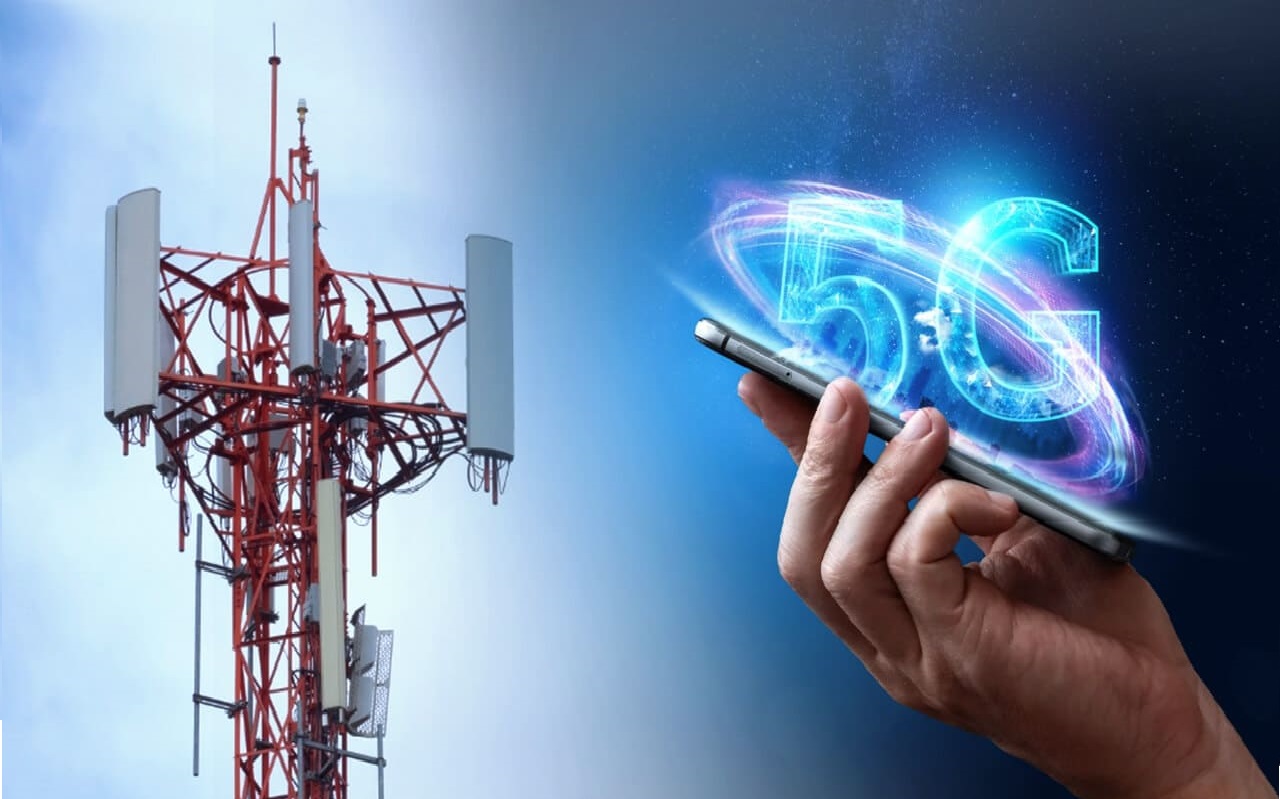
Several trends on the rise hint at a future where digital connectivity changes the nature of experience and interaction with technology in ways never before witnessed. Next-generation 5G wireless networks are already rolling out. With speeds that are faster and latencies that are lower, the mobile connectivity will be tremendous in the future, enabling new applications like self-driving cars and sophisticated telemedicine and full immersion in augmented and virtual reality. As 5G starts to percolate to the mainstream, scientists are already working on the next-generation network: 6G, which, with potential innovations like terabit-per-second data rates and enhanced AI-driven network management, might integrate new technologies such as quantum communication.

Next, future steps in AI and machine learning will prolong the enrichment of the network's capabilities, including more complex data analysis, predictive maintenance, and automated decision-making. As these technologies become ever more deeply integrated into the digital network, they will drive further efficiencies and enable new services and applications. However, coupled with these developments are also improved issues in cybersecurity and data privacy. In line with this, as the complexity and connectivity of the networks increase, so will security measures and the protection of personal data. This will become the prime focus. Developments in blockchain and sophisticated techniques of encryption form the basis for combating such issues.

5G Connectivity

Rapsol is actively investing in 5G technology to enhance its operations and energy management Connectivity improves real-time monitoring and control of its industrial processes and support the development of advanced digital solutions and helps to achieve greater efficiency and innovation

Enhanced IoT Protocols

Rapsol focuses on Enhanced IoT Protocols, such as Narrowband IoT (NB-IoT) and LoRaWAN, to improve connectivity for its energy and industrial operations.This innovation supports better decision-making and operational efficiency in its energy sector activities wide-area network technologies.

Blockchain for Connectivity

Rapsol is exploring Blockchain for Connectivity to enhance security and transparency in its operations. By integrating blockchain technology.This innovation supports better data integrity, reduces fraud, and ensures more efficient and transparent management of its energy and industrial processes.
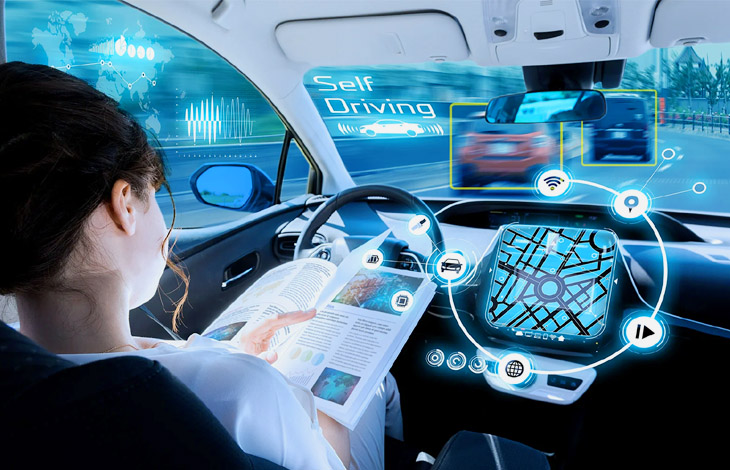
Connectivity solutions include 5G networks for high-speed and seamless connectivity, Wi-Fi 6 and 6E for enhanced wireless performance, and edge computing for data consumption with proximity and source IoT protocols such as NB-IoT and LoRaWAN support low power, wide -area communications for remote devices. Satellite communication provides global connectivity while improving grid network network reliability. Blockchain provides security and transparency, and smart antennas with beamforming increase signal strength. Cloud computing provides scalable data structures. Together, these technologies enhance seamless and efficient communication across applications.

SMART CONNECTIVITY IN AUTOMATIVE INDUSTRY

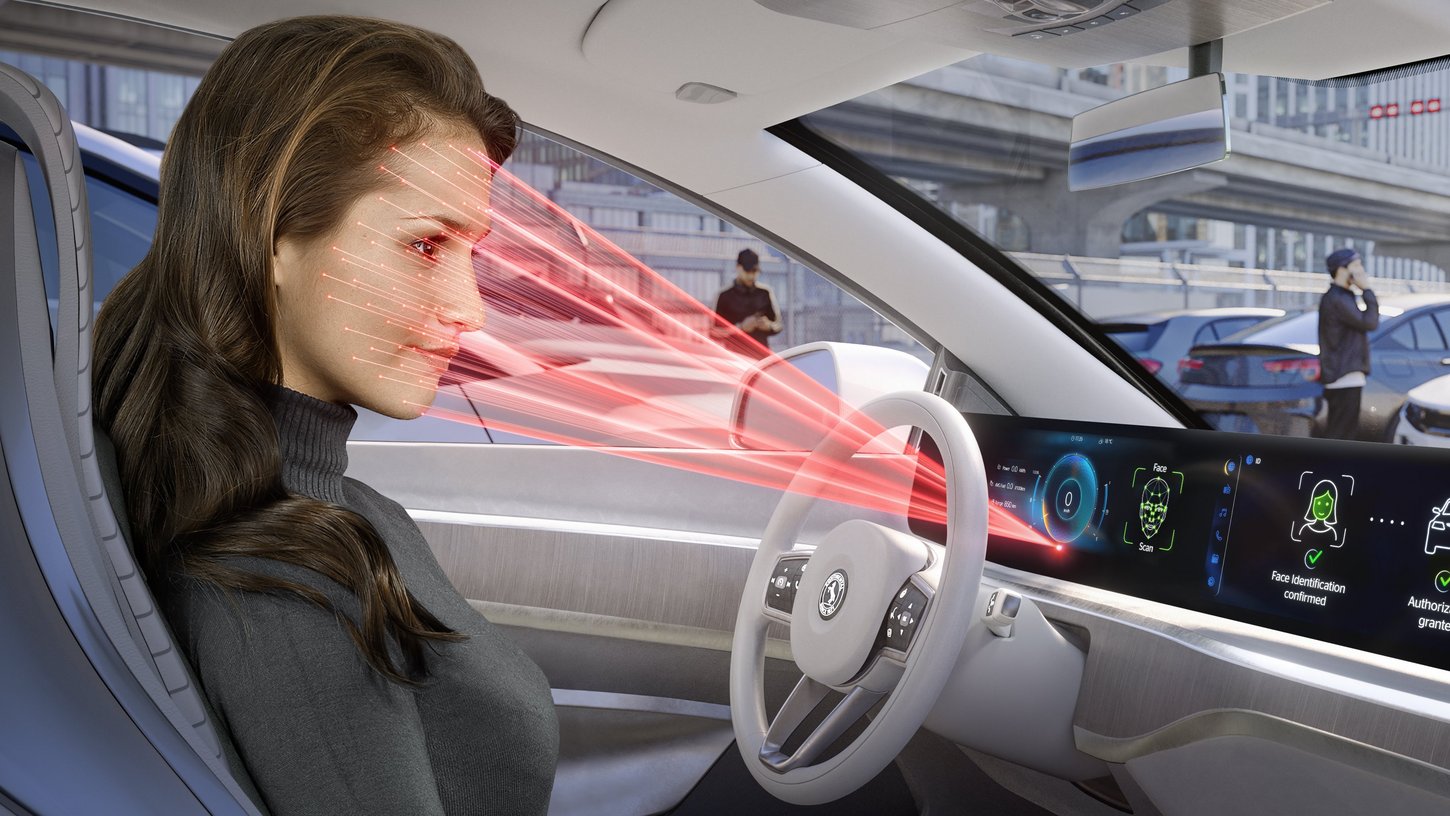
Smart connectivity is transforming the automotive industry by combining advanced technologies that improve vehicle connectivity and performance. Modern vehicles are equipped with systems that enable real-time exchange of information between the vehicle, occupants and the external network. This connectivity supports a range of features from Advanced Driver Assistance Systems (ADAS) and in-vehicle infotainment to remote diagnostics and over-the-air updates Automakers are using technologies such as 5G, IoT and V2X connectivity to improve safety, enhance productivity and create more connectivity and smooth driving For experience and As vehicles become more integrated with intelligent digital services, smart connectivity is set to drive the next innovation in automotive technical

Rapsol uses a variety of advanced solutions to improve communication in its operations. Smart sensors and data analytics are used to monitor equipment and environmental conditions in real time, optimize operations, and address maintenance needs first Automated control systems enable control of energy production and distribution effectively and efficiently. Advanced communications networks such as private LTE and 5G facilitate rapid, reliable data exchange between remote offices and central offices. Digital pairs are used to create a virtual representation of a physical asset, enabling real-time evaluation and analysis. Integrated cybersecurity measures ensure that sensitive resources and data are protected from cyber threats. Together, these solutions drive efficiency, safety and innovation in Rapsol’s energy operations.

Request A Quote

Need A Free Quote? Please Feel Free to Contact Us

Reply within 24 hours

"We're dedicated to assisting you, whether it's project planning, event coordination, or finding inspiration. Our team is ready to provide a personalized quote at no cost. Contact us today and let's begin turning your vision into reality.

Call to ask any question

+91 91089 07666

Frequently Asked Questions

Digital connectivity refers to the ability to connect devices, systems, and people through digital networks like the internet, intranets, and cloud platforms, enabling the exchange of data and communication across various digital channels.

The Internet of Things (IoT) refers to the network of physical devices (such as sensors, wearables, appliances) that are connected to the internet, allowing them to collect and exchange data. Digital connectivity enables IoT devices to communicate with each other and with central systems for analysis and decision-making.

Digital connectivity is essential for smart cities as it enables the communication and integration of various systems like traffic management, utilities, healthcare, and public safety. IoT sensors and real-time data collection help optimize urban services, improve efficiency, and enhance the quality of life.

Challenges include:

  • Infrastructure gaps: Lack of high-speed internet access in rural or remote areas.
  • Cybersecurity risks: Increased exposure to data breaches, hacking, and other security threats.
  • Data privacy: Ensuring personal and organizational data is protected in a connected world.
  • High costs: Building and maintaining advanced connectivity infrastructure, especially 5G and fiber-optic networks.
  • Interoperability issues: Ensuring seamless communication between different devices and platforms.

Industry 4.0 technologies such as IoT, big data, and AI are also key enablers of smart cities. These technologies are used in urban management systems like traffic control, waste management, energy grids, and public safety, all of which rely on data and automation to optimize city operations and improve quality of life.


YOU HAVE A IDEA !

WE HAVE A TEAM !

TOGETHER , LET'S BUILD YOUR BUSINESS ONLINE Talk to Us

Get In Touch

"Srinidhi", No.138/c, 2nd Floor, 2nd Main Road, 3rd Block, Thyagarajanagar, Bengaluru, Karnataka 560028

+91 91089 07666

Popular Links

Registered Under :