
+91 91089 07666 [email protected]
Innovations

Agriculture

Agriculture is the incorporation of state-of-the-art technologies into farming practices for improved productivity, efficiency, and sustainability. It involves a number of innovations that include precision farming, data analytics, IoT (Internet of Things), drones, and automation, all of which help improve farming activities. In view of this reoriented farming, decision-making at the farm level will be much more probable with real-time data, improved crop yields, and resource management. What makes it so important is that digital agriculture can help overcome most of the challenges of modern farming, be it from production to environment and even resource management. This ensures exact monitoring and management of crops and livestock, thereby limiting wastage and ensuring sustainability. With growing world populations and agricultural productivity threatened by a changing climate, digital agriculture provides impetus toward more resilient and efficient farming systems to ensure both future food security and environmental stewardship.

Objectives:
  • Understand the role of digital technologies in agriculture.
  • Learn about the various tools and systems used in digital agriculture.
  • Analyze the benefits and challenges of implementing digital solutions in farming.
  • Develop practical skills for using digital tools and interpreting agricultural data.

  • Challenges
  • Technology Integration and Adoption
  • Data Management and Security
  • Infrastructure and Connectivity
  • Cost and Accessibility
  • Environmental Impact and Sustainability

  • Digital agriculture represents a transformative shift in farming practices, driven by the adoption of cutting-edge technologies to improve various aspects of agricultural production. This approach integrates tools like precision farming, which uses GPS and remote sensing to apply inputs such as water, fertilizers, and pesticides with pinpoint accuracy, thereby maximizing efficiency and minimizing waste. Data analytics plays a crucial role by enabling farmers to analyze vast amounts of information from sensors, satellites, and weather forecasts to make evidence-based decisions that enhance crop health and yield.

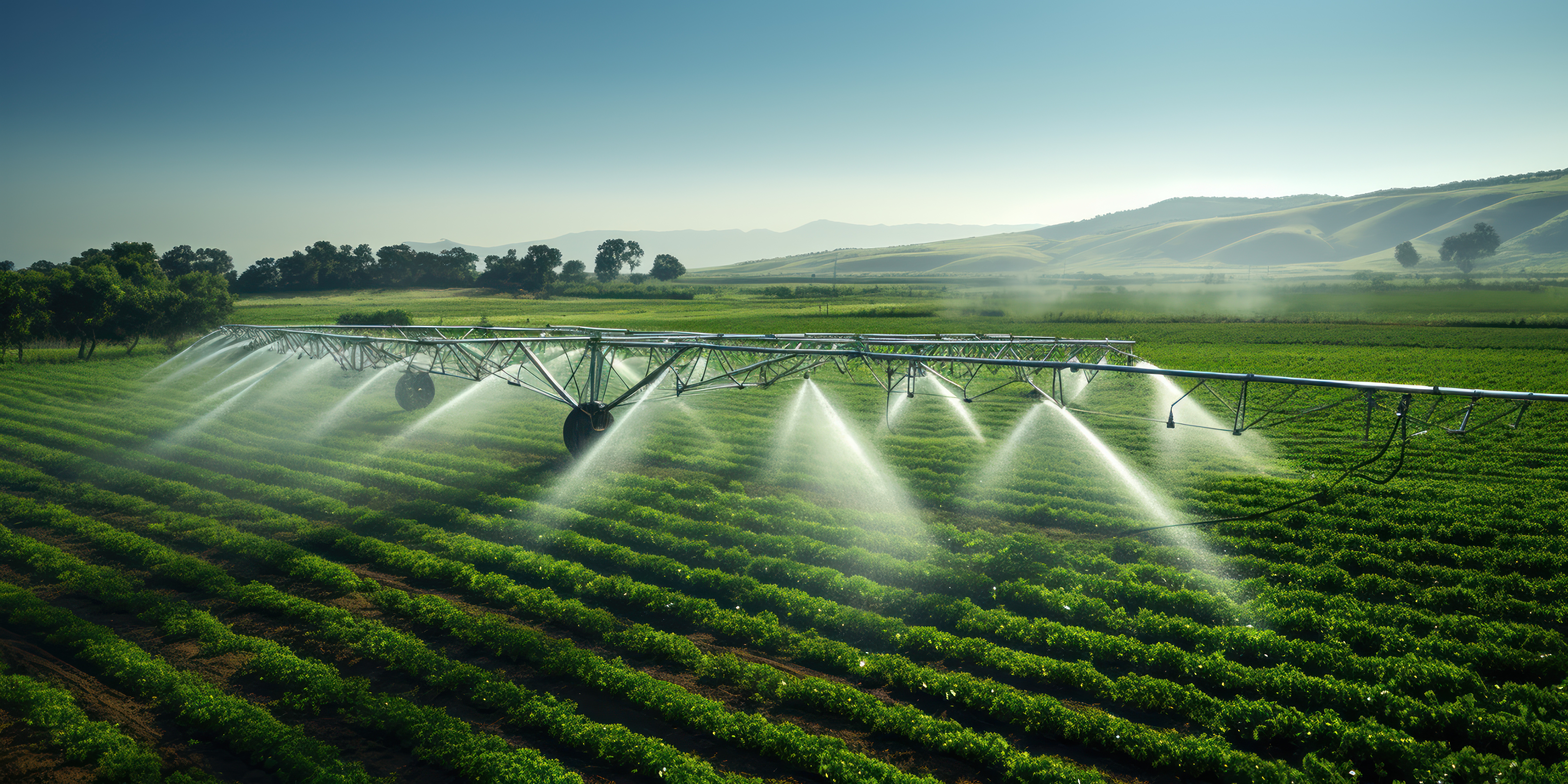
    The significance of digital agriculture extends beyond just increased productivity; it addresses critical issues such as resource management and environmental sustainability. Technologies like smart irrigation systems and soil sensors help conserve water and optimize its use, while automated machinery and drones streamline labor-intensive tasks and provide real-time monitoring of crop conditions. These innovations contribute to reducing the environmental footprint of farming by promoting practices that lower greenhouse gas emissions and minimize chemical runoff.

    Future Trends
  • Advancements in AI and Machine Learning
  • Growth of Precision Agriculture
  • Infrastructure and Connectivity
  • Sustainable Farming Practices
  • Integration of Renewable Energy

  • Precision Agriculture

    Rapsol is advancing precision agriculture by integrating cutting-edge technologies to optimize farming practices.Uses GPS, sensors, and data analytics to optimize field management, applying inputs like water, fertilizers, and pesticides precisely where and when needed. This approach increases crop yields and reduces waste.
    IoT Sensors

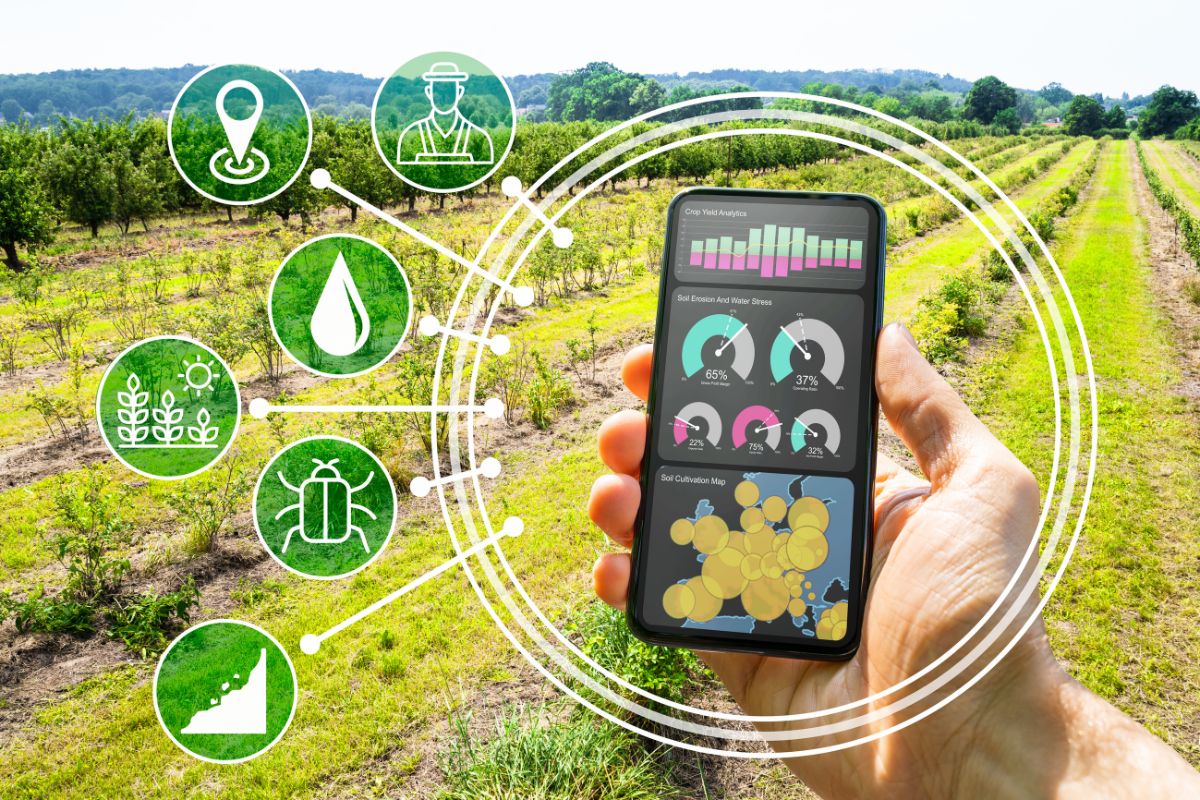
    The integration of IoT sensors reflects Rapsol's commitment to leveraging advanced technology to drive efficiency and innovation in agriculture.Sensors placed in fields, greenhouses, or on machinery collect data on soil moisture, temperature, and crop conditions. This data helps in making informed decisions about other management practices.
    Weather Analytics

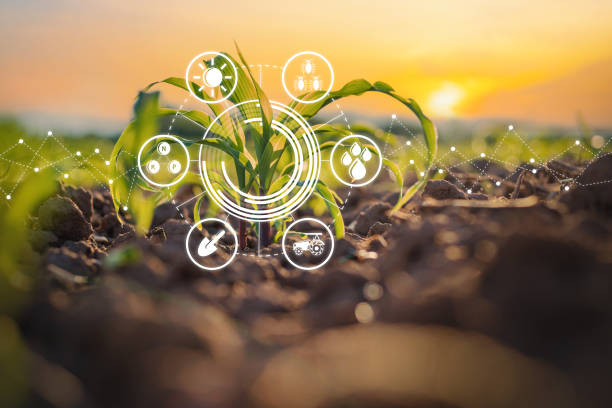
    Rapsol is advancing digital agriculture through climate and weather analytics by utilizing sophisticated tools to analyze and forecast environmental conditions.By integrating real-time weather data and climate models, Rapsol helps optimize agricultural practices,thereby enhancing overall farm efficiency and resilience.
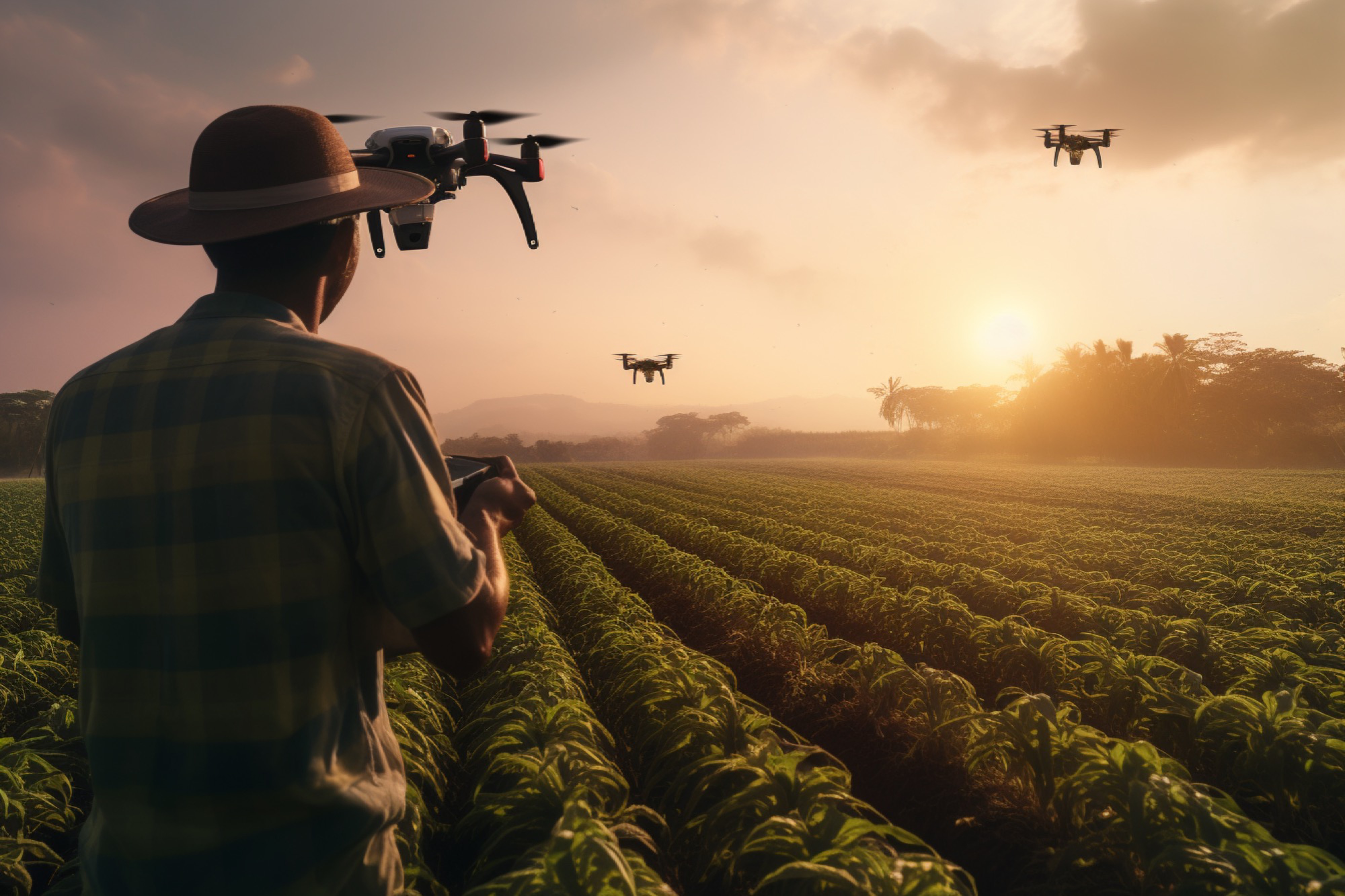
    One of the innovative solutions showcased at Agriculture is an eco-friendly weed control system developed by Rapsol Technology services. Known for its development services across various industries, CES has created this prototype using optical sensor technology, advanced automotive-grade software, and AI. The system offers a highly efficient and precise organic method for weed control by detecting weeds accurately and eliminating them with boiling water, rather than relying on herbicides. This concept not only highlights CES’s expertise in agriculture and technology development but also illustrates how it adapts existing technologies to address future needs.

    Rapsol is showcasing its extensive range of products and services for the agricultural sector, highlighting how cutting-edge technology solutions help both farmers and manufacturers tackle future challenges.The agriculture industry must address the challenge of feeding a growing global population while transitioning towards greater digitalization and sustainability.We play a crucial role in supporting farmers through this transformation, helping to reduce daily challenges and enabling them to focus on evolving their industry and delivering essential products.

    SMART FARMING

    Rapsol advances smart agriculture through advanced agricultural efficiency solutions. The company uses IoT sensors to provide real-time information about soil and crop conditions, enabling more precise management. They use data analytics and AI to predict crop yields and create strategic decisions. Processing systems and remote sensing technologies further simplify operations, enabling better monitoring and control of agricultural practices. Through these innovations is developing sustainable and effective agricultural solutions.

    We are advancing smart agriculture by integrating state-of-the-art technologies to optimize agricultural practices. The company uses IoT sensors and data analytics to monitor soil conditions, crop health and the environment in real time. This approach allows for more precise processing and improves decision-making. In addition, Rapsol uses AI and machine learning to analyze data and predict crop yields, and explores automation and remote sensing to improve efficiency By implementing these intelligent solutions, Repsol aims to meet the evolving needs of the agricultural industry to stimulate sustainable and efficient agricultural practices .

    Digital Agriculture leverages a range of innovative solutions to enhance farming efficiency and productivity. Precision farming uses GPS and data analytics to apply resources like water and fertilizers precisely where needed, boosting crop yields and minimizing waste. IoT sensors provide real-time data on soil and crop conditions, enabling informed decision-making. Drones and aerial imaging offer detailed insights into crop health and field conditions, while farm management software integrates data for streamlined operations. Artificial Intelligence (AI) and machine learning analyze large datasets to predict yields and optimize practices. Automated machinery and remote sensing further increase efficiency and precision. Additionally, climate and weather analytics help guide agricultural practices based on environmental conditions, and blockchain technology ensures transparency and traceability throughout the supply chain. Together, these technologies drive a more precise, efficient, and sustainable agricultural industry.

    Request A Quote

    Need A Free Quote? Please Feel Free to Contact Us

    Reply within 24 hours

    "We're dedicated to assisting you, whether it's project planning, event coordination, or finding inspiration. Our team is ready to provide a personalized quote at no cost. Contact us today and let's begin turning your vision into reality.

    Call to ask any question

    +91 91089 07666

    Frequently Asked Questions

    Smart farming refers to the use of modern technologies such as the Internet of Things (IoT), artificial intelligence (AI), machine learning, drones, and data analytics to improve farming practices, optimize resource use, and increase agricultural productivity.

    IoT in smart farming connects sensors and devices to monitor soil moisture, temperature, humidity, crop health, and other environmental factors. This real-time data helps farmers make informed decisions about irrigation, fertilization, and pest control, reducing waste and increasing efficiency.

    • Increased efficiency: Automation and real-time data help optimize resource use, such as water and fertilizers.
    • Cost reduction:By using data to prevent waste and improve practices, farmers can reduce costs.
    • Improved crop yield: Precision techniques help improve crop health and yield.
    • Sustainability: Reduces environmental impact through optimized resource use, such as water conservation and reduced pesticide use.
    • Data-driven decision-making: Helps farmers make better-informed decisions based on real-time data.

    While the initial investment in technologies (e.g., sensors, drones, AI platforms) can be high, smart agriculture often leads to long-term cost savings through more efficient use of resources. Additionally, the increased crop yield and reduced wastage can offset the initial investment over time.

    The future of smart agriculture will likely see increased automation, improved data analytics, and the integration of more sustainable practices. With technologies like AI, robotics, and IoT becoming more affordable and accessible, smart farming will play an essential role in feeding the growing global population while preserving the environment.


    YOU HAVE A IDEA !

    WE HAVE A TEAM !

    TOGETHER , LET'S BUILD YOUR BUSINESS ONLINE Talk to Us

    Get In Touch

    "Srinidhi", No.138/c, 2nd Floor, 2nd Main Road, 3rd Block, Thyagarajanagar, Bengaluru, Karnataka 560028

    +91 91089 07666

    Popular Links

    Registered Under :